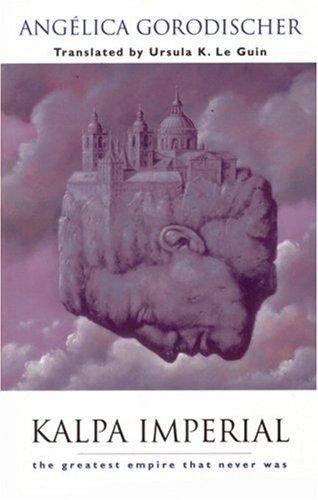
«Oh, sí, mis buenas gentes, sí, ya lo creo que sí. Se puede vivir en el sur. Y morir también. Y se puede nacer, y crecer y aprender y matar y sufrir en el sur. ¿Ustedes conocen el sur? ¿Han entrado a ese país vedado y tentador? ¿Han ido al paraíso de los monstruos, al antro de los asesinos, al reino de la barbarie? ¿Conocen a las gentes del sur? ¿Se han acostado con sus mujeres, han bebido con sus hombres, han escuchado a sus ancianos?». Obra ganadora de los …
«Oh, sí, mis buenas gentes, sí, ya lo creo que sí. Se puede vivir en el sur. Y morir también. Y se puede nacer, y crecer y aprender y matar y sufrir en el sur. ¿Ustedes conocen el sur? ¿Han entrado a ese país vedado y tentador? ¿Han ido al paraíso de los monstruos, al antro de los asesinos, al reino de la barbarie? ¿Conocen a las gentes del sur? ¿Se han acostado con sus mujeres, han bebido con sus hombres, han escuchado a sus ancianos?». Obra ganadora de los premios Poblet y Gigamesh.
lo leí en el original, y no la traducción al inglés de Ursula Le Guin, pero aún así sentí algo de ella en el tono del prose, y también algo borgesiano en la fantasia fuera-del-tiempo
Some books that you stumble upon ends up punching you in the guts, others do not. This book was of the latter category, but I still think it should've been the former, much so based on that I like the works of the translator, Ursula K. LeGuin.
As a part of my job I support unemployed persons that have internships at my organization, among them at a few of the charity shops that we run. It was while browsing the bookshelves during a slow hour that I came upon Kalpa imperial. It seemed like my kind of book, and I still think it is.
I think I understand what the author wanted to do, and I think it is clever. She sketches the history of an empire, follows its many rulers , their surge, their downfall, internal and external strife; and how the empire and its society …
Some books that you stumble upon ends up punching you in the guts, others do not. This book was of the latter category, but I still think it should've been the former, much so based on that I like the works of the translator, Ursula K. LeGuin.
As a part of my job I support unemployed persons that have internships at my organization, among them at a few of the charity shops that we run. It was while browsing the bookshelves during a slow hour that I came upon Kalpa imperial. It seemed like my kind of book, and I still think it is.
I think I understand what the author wanted to do, and I think it is clever. She sketches the history of an empire, follows its many rulers , their surge, their downfall, internal and external strife; and how the empire and its society adapts during its history, sometimes needing to start over. In some ways this resembles the setup of LeGuin's Hainish cycle books: It allows the author to write a whole bunch of separate stories, laying out the workings of very dissimilar societies; while still linking them together and setting them in the same universe. While the Hain books are distinct volumes (usually, not always) being collected in the same binding it creates different expectations. I wish I had known this from the beginning, and probably should've researched it a bit more.
For at least the first two-thirds of the book I kept looking for linkages between the action and the characters in the different chapters. That names kept changing between chapters and wasn't names common in my everyday gave me the feeling that I always missed something, that I should recognize this or that character from before. To my knowledge there was no repeating characters (but may have missed some), though a few characters was mentioned later in the book.
I found this frustrating, but mostly due to my own expectations, and probably also reading it when I wasn't in the right frame of mind. Reading a few pages in the evening when I was already exhausted wasn't optimal. I think this book demands more focus. I read the last fifty pages on a day off when both partner and child was off for other adventures and that worked better.
A better way for me to treat the book would probably be as a collection of short stories set in the same setting; with the opportunity both to look at particulars and the long temporal lines. I suspect the book is good, but it didn't work for me right now. I'll keep it with the intention of getting back to it in a year or so.